Measurement and Control Technology
As a global partner and manufacturer specialising in electric trace heating, eltherm also supplies the appropriate control systems. Our measurement and control technology offers a wide range of products, from temperature controllers and temperature limiters to capillary tube thermostats, as well as a selection of various probes and sensors.

Key facts
- digital display or LED display for easy programming
- safety temperature limiters ensure controlled operation of the heater, prevent overheating and guarantee long-lasting and reliable performance
- reduced installation and maintenance effort thanks to easier handling during installation
- suitable for both non-Ex areas and Ex applications
- individually programmable temperature ranges to meet every requirement
Temperature controller
Our temperature controllers are available in various designs and mounting options to ensure precise temperature control. Depending on the application, the controllers can either be installed on a DIN rail or mounted directly on the wall. The new generation of electronic temperature controllers features a digital display and is suitable for both home automation and industrial applications.
The electronic temperature controllers in the Ex-Box series have been specially developed for use in potentially explosive atmospheres and comply with the latest explosion protection guidelines. They are used, amongst other places, in power stations, the chemical and petrochemical industries, the oil and gas industry, the pharmaceutical and plastics industries, and in sewage treatment works.
Temperature limiters and sensors
Temperature limiters ensure the safe operation of heating systems by automatically switching off the heating as soon as a defined overtemperature or excessive current draw is reached. In addition, individual minimum and maximum temperatures can be set as alarm thresholds. Depending on the model, monitoring and adjustment are carried out either directly via an integrated display or via external control and regulation units.
Temperature sensors precisely measure the current temperature and transmit the readings to a microcontroller. There, the actual and setpoint temperatures are compared to optimally regulate the heating output. This ensures reliable, energy-efficient and constant temperature control – both in industrial applications and in sensitive process environments.
Capillary tube thermostat
The EL-CT capillary tube thermostat is suitable for use in potentially explosive atmospheres (Zones 1 and 2 for gas and Zones 21 and 22 for dust). It can be used as a surface thermostat on pipes and vessels and allows for a customisable temperature range. The capillary tube is made of stainless steel, and the robust aluminium housing makes the thermostat particularly versatile.
Products
![[Translate to Deutsch:]](/fileadmin/user_upload/produkte/productimages/Products/Temperature_Control_and_Monitoring/Smart_Limiter/Images/SmartLimiter.png "[Translate to Deutsch:]")
Smart Limiter
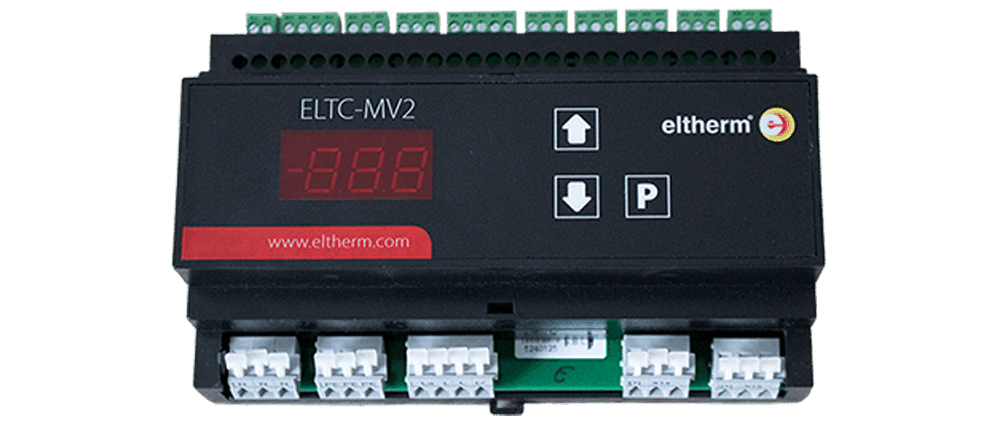
ELTC-MV2
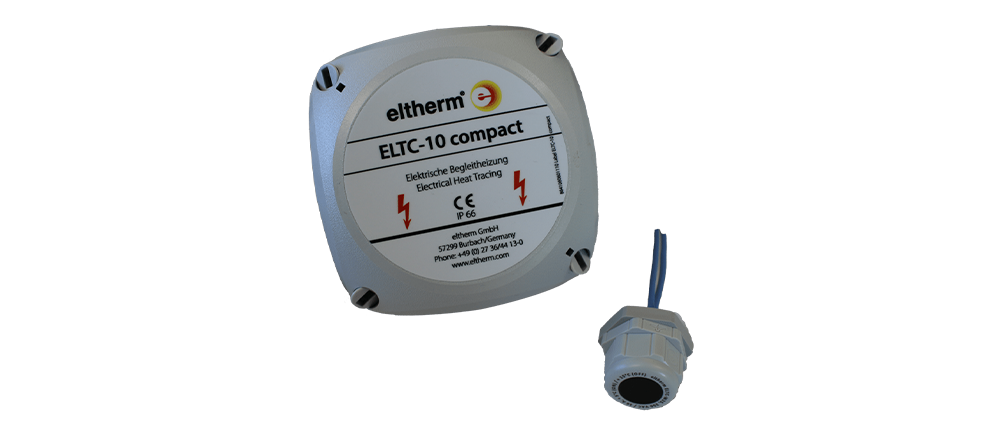
ELTC-10 compact & ELTC-M25
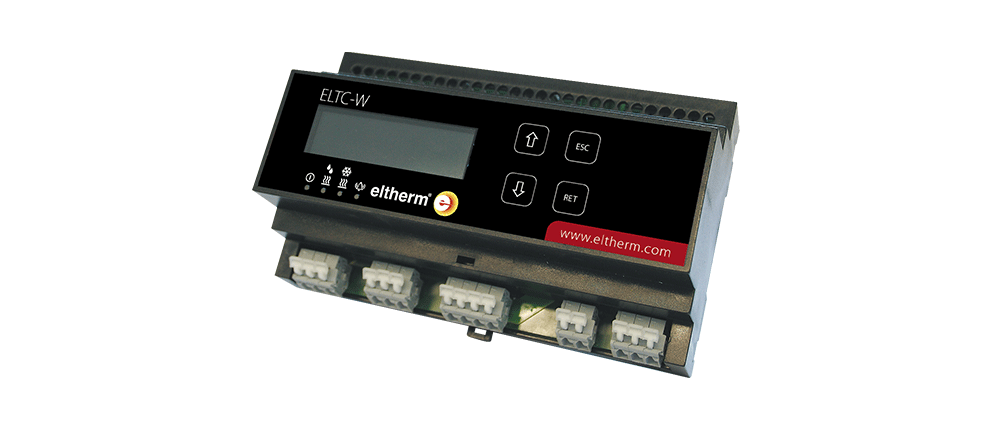
ELTC-W

TraceVision
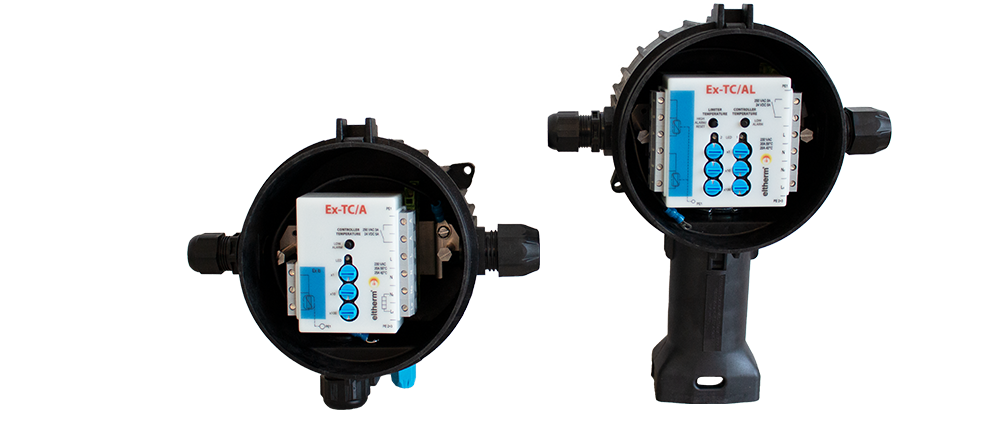
Ex-TC
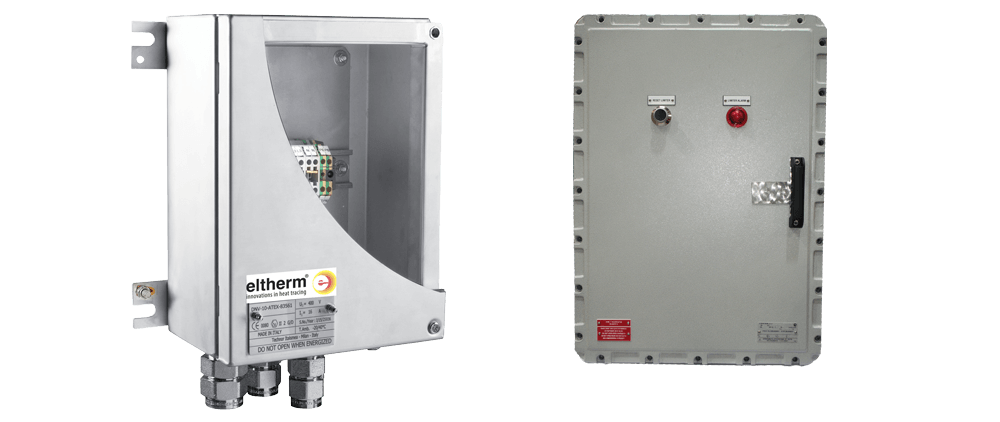
EL-PCP/Ex

EL-PCP-T-Ex

EL-PCP

EL-PCP-TC/IP66

EL-PCP-TC/IP69

ELTC-24P
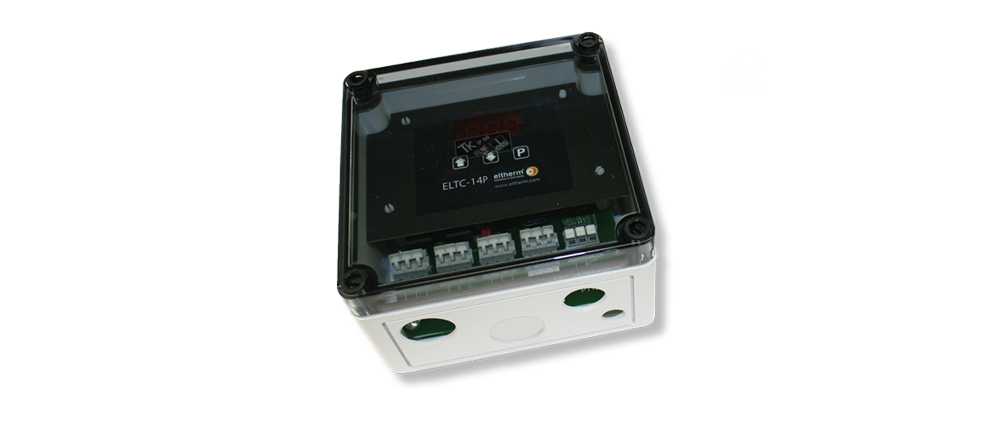
ELTC-14P

Pt100 Temperature Sensors
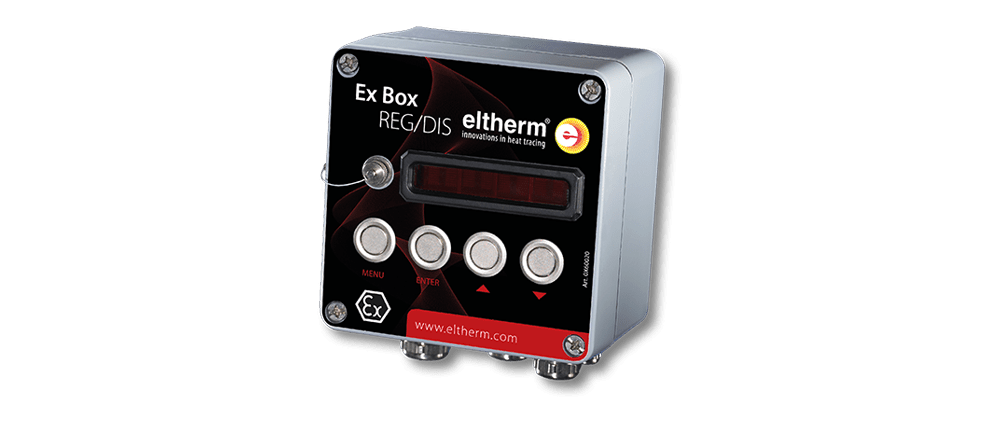
Ex-Box REG/DIS
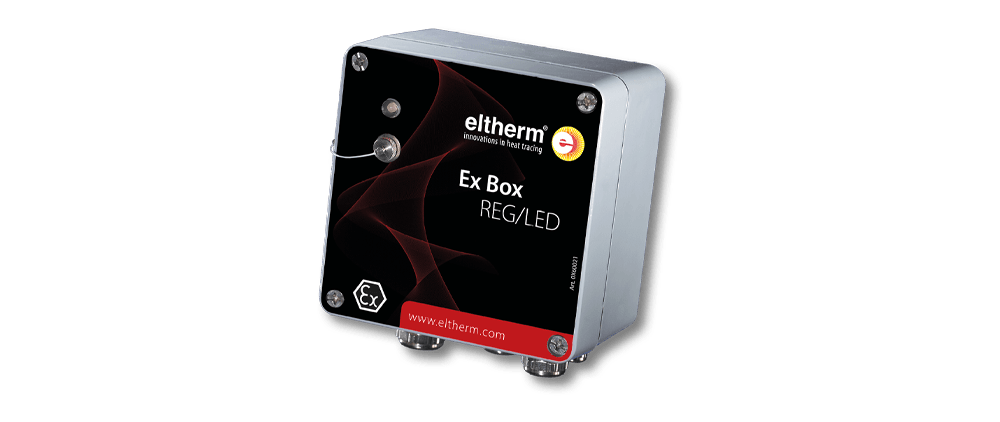
Ex-Box REG/LED

Ex-Box LIM/DIS

Ex-Box LIM/LED
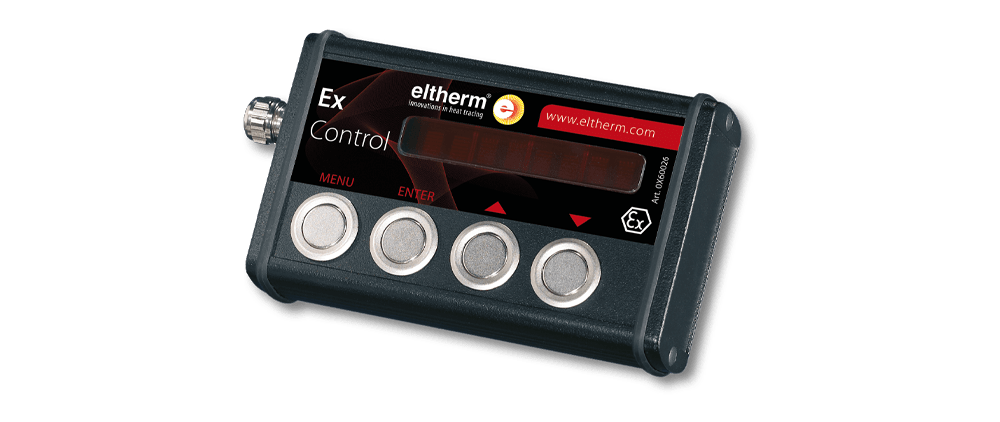
Ex-Control

EL-CT

ELTC 05-Frostcontrol
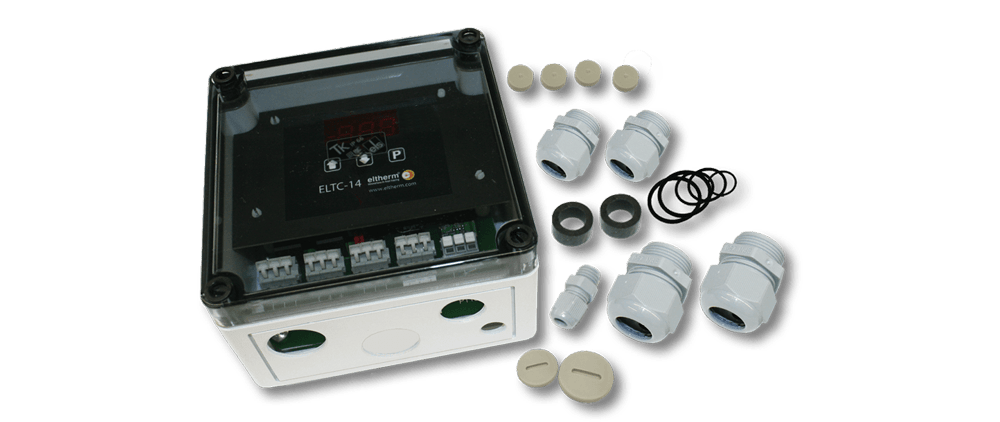
ELTC-14

ELTC/H-14
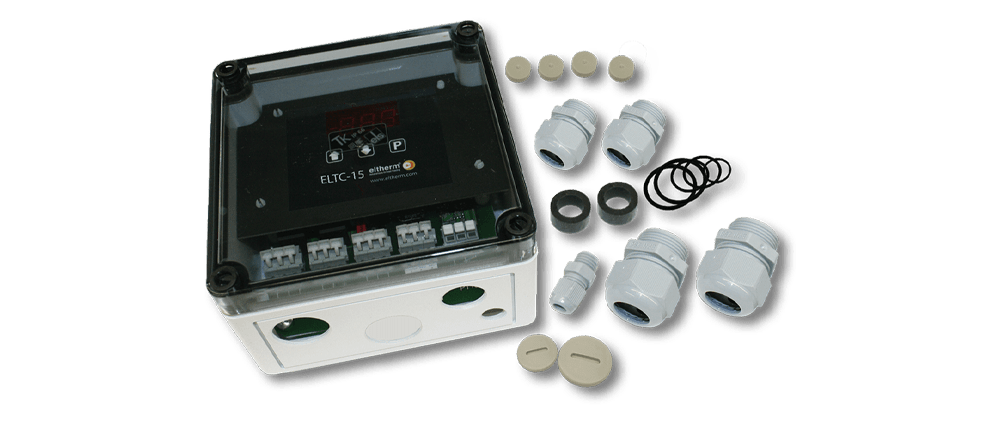
ELTC-15

ELTC/L-15

ELTC-21
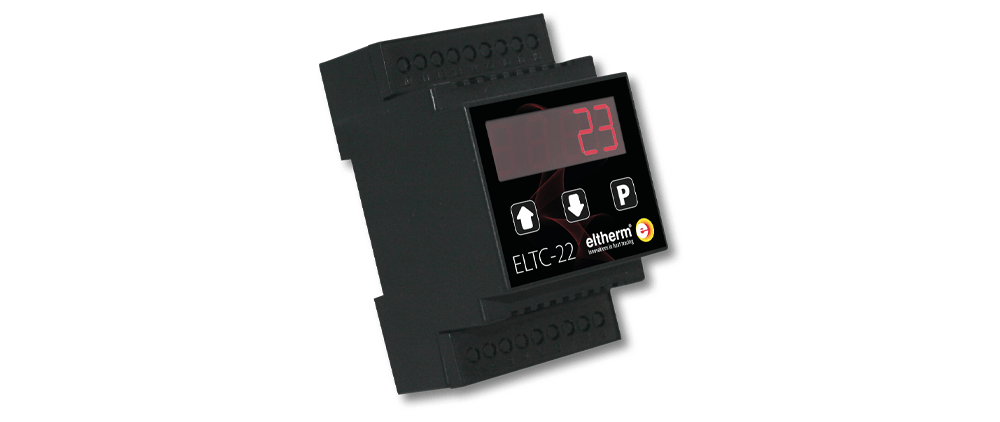
ELTC-22
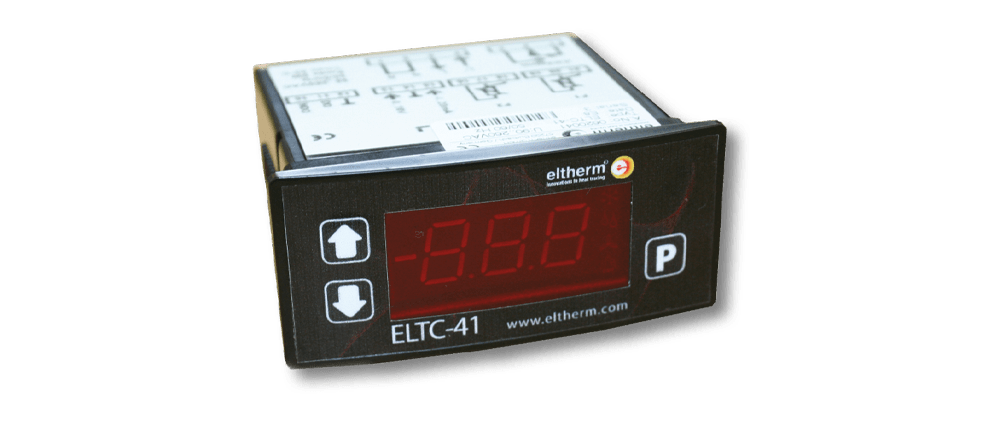
ELTC-41
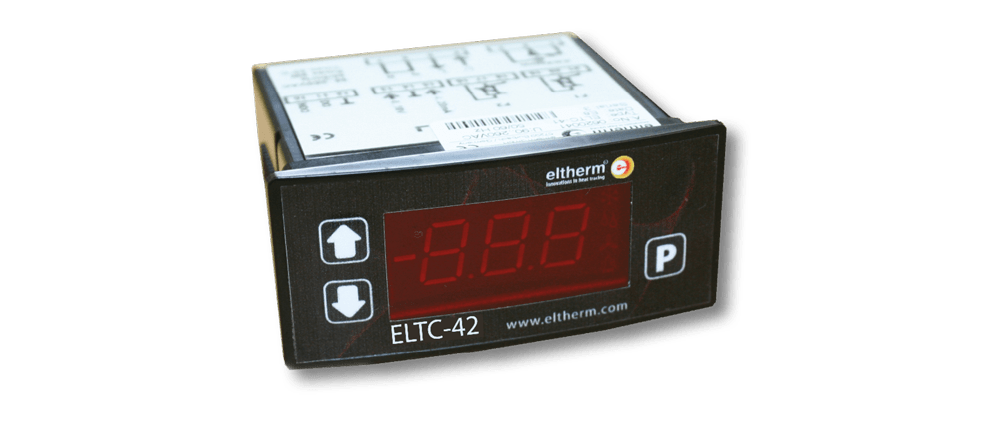
ELTC-42
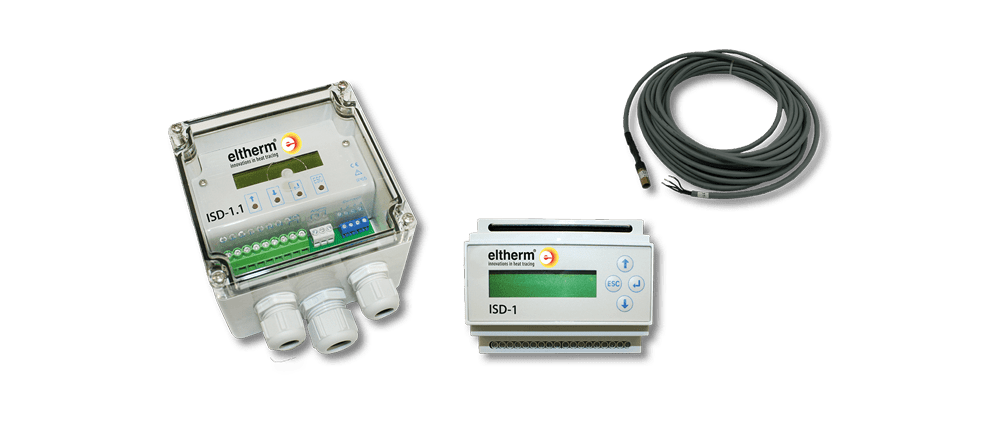
ISD-1
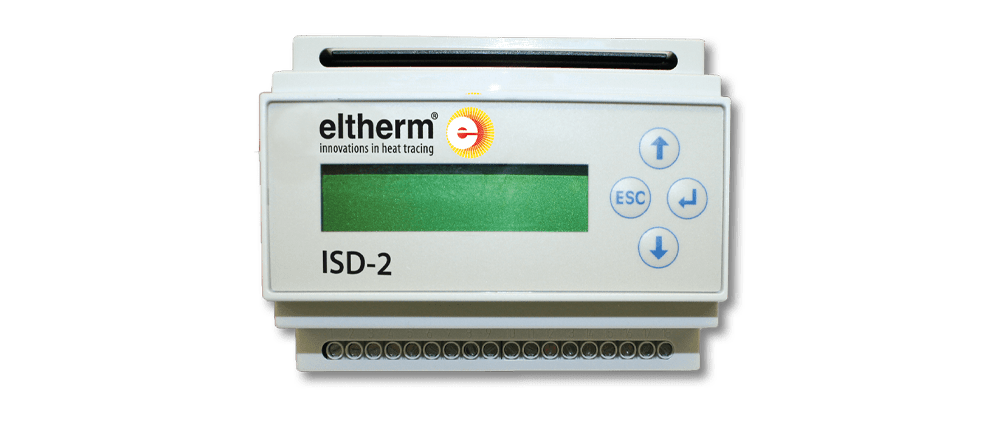
ISD-2


FAQ
Measurement technology involves determining physical quantities using various instruments. It provides data for assessing the properties of technical devices and equipment.
A distinction can be made between direct and indirect measurement methods, as well as between analogue and digital measurement methods.
The direct measurement method is a comparative method, whereas in the indirect method, the desired measured value of a physical quantity is determined from another physical quantity. In the analogue measurement method, the input quantity is converted by the method into a display that is proportional to the input quantity. ‘Digital’ means that a measured quantity is converted into a digital value and displayed as such.
Control engineering refers to the targeted manipulation of specific variables in technical systems. When disturbances occur, the controlled variables must either be kept as constant as possible or adjusted in such a way that they follow a specified time-dependent change. Control involves measuring the variable to be influenced in the controlled system and continuously comparing it with the desired value. The controller determines an actuator variable based on the deviation; this acts on the controlled variable in such a way as to minimise the deviation and ensure that the controlled variable exhibits the desired time response despite the presence of disturbances. In general terms, control engineering operates according to a setpoint mechanism.
An electronic temperature controller uses a temperature sensor to measure the actual temperature and attempts to maintain the specified setpoint temperature. It compares the actual and setpoint temperatures. The temperature sensor reports the actual temperature to the controller, which constantly attempts to reach the setpoint temperature (closed-loop control).
eltherm offers two types of controllers: whilst one temperature controller is based on the ambient temperature, the other uses the pipe temperature as its key measurement parameter.
In this control system, there is no comparison between setpoint and actual values. The sole aim is to achieve a specific state. Disturbances are not taken into account, whereas in a control system, the aim is to compensate for disturbances.
The temperature sensor enables the temperatures of various media to be measured and changes in response to different temperature conditions. For example, it responds to variable input values by altering its shape, resistance, current or voltage. Temperature sensors are required to control certain variables or processes in a temperature-dependent manner.
The Pt100 (platinum resistance sensor) is connected to the transmitter or measuring instrument via a wire. There are three types of connection: the 2-wire, 3-wire and 4-wire configurations.
We’re here for you
Your points of contact

57299 Burbach, Germany

57299 Burbach, Germany